Ask three departments at a credit union or community bank how many active members or customers the institution has, and you may get three different answers. Not because anyone is wrong, but because each department pulls from a different system,..
Data integration is an easy thing for a CFO to deprioritize. It sounds technical, it lives in the domain of the data team, and unlike a new branch or a marketing campaign, its costs never appear as a line item..
For most credit unions and community banks, the rhythm of management is monthly. The books close, the reports are assembled, the numbers are reviewed, and leadership makes decisions based on what happened last month. This cycle is so deeply ingrained..
You know the platform would pay for itself. You live inside the problem every day: the backlog that never clears, the manual work that eats your team’s hours, the requests you cannot get to because you are buried in the..
Walk into two credit unions of similar size and asset base, and you can often tell within a few minutes which one is further along with its data. It is not about who has the biggest budget or the largest..
Most analytics roadmaps are written as if the data team executing them is large, well-funded, and fully staffed. For the typical data team at a credit union or community bank, that is not the reality. The reality is two to..
Two branches, 20 minutes apart, same products, similar size. One is thriving. The other is quietly slipping. The numbers that explain why are sitting in 4 different systems, and nobody has put them side by side. This is the situation..
If you have ever tried to get clean, analysis-ready data out of your core banking system, you know the gap between how simple integration sounds and how hard it actually is. The core holds the transactional heart of your institution,..
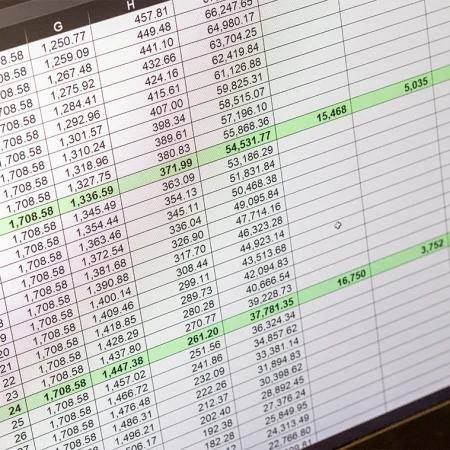
Microsoft Excel is where almost every financial institution’s data work begins. It is familiar, flexible, and already on every desktop. For years, it does the job. The monthly board report comes out of a spreadsheet. The branch numbers live in..
Every credit union and community bank wants better reporting. Clearer dashboards, more reliable financial analytics, numbers leadership can act on without second-guessing. So institutions invest in reporting tools and dashboard platforms, expecting that better presentation will produce better insight. Often,..
At most credit unions and community banks, getting a report means asking someone. A branch manager needs performance numbers, so they email the analyst. A CFO wants an updated view before a board meeting, so they put in a request..
Inside most credit unions and community banks, there is a quiet gap between the people who work with data every day and the executives who fund and direct the data program. Both sides want the same thing: a credit union..