
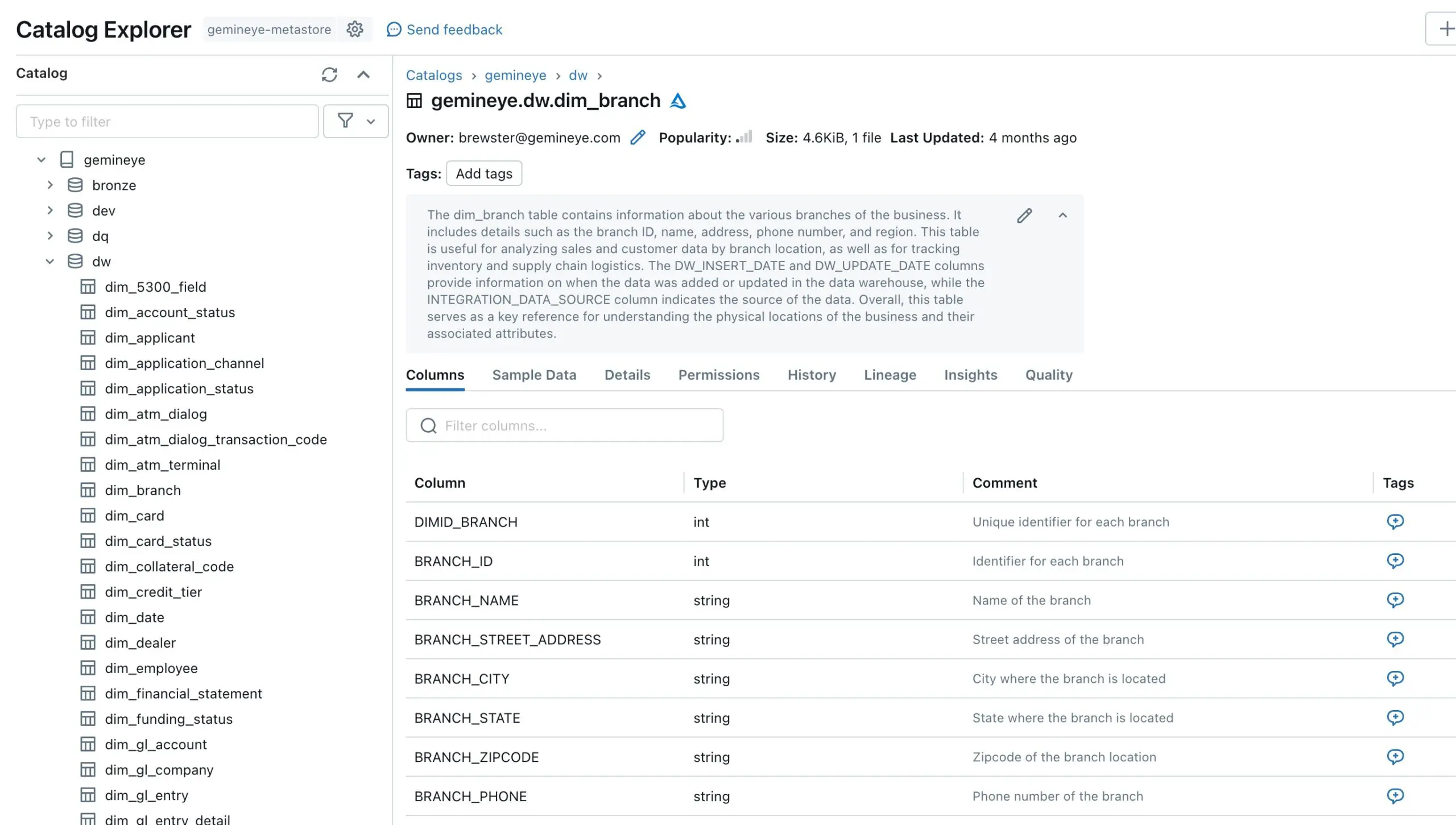
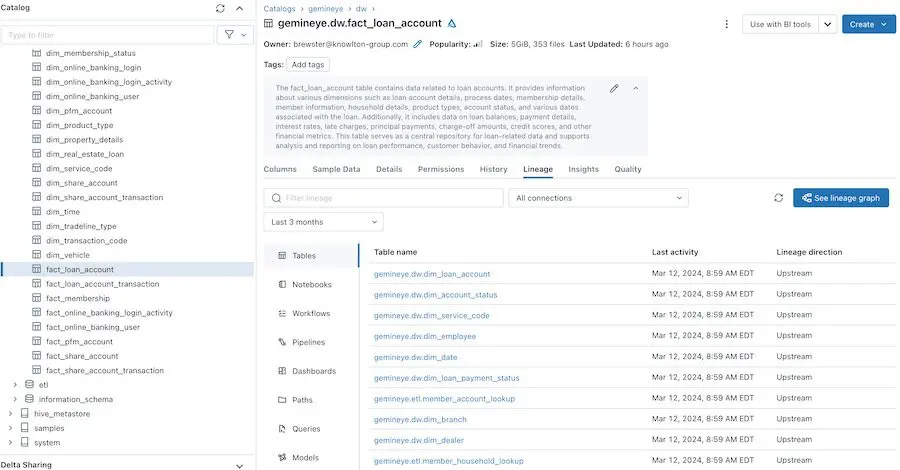
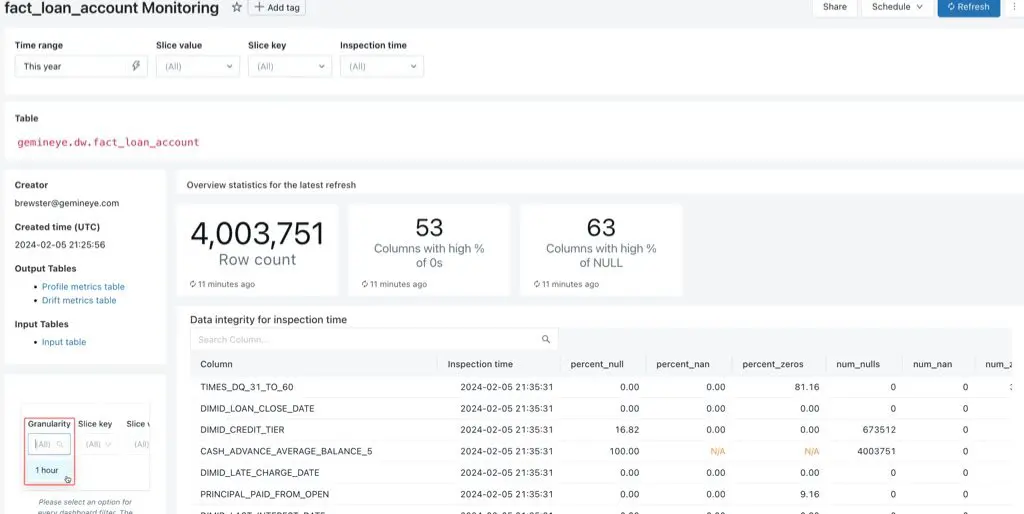
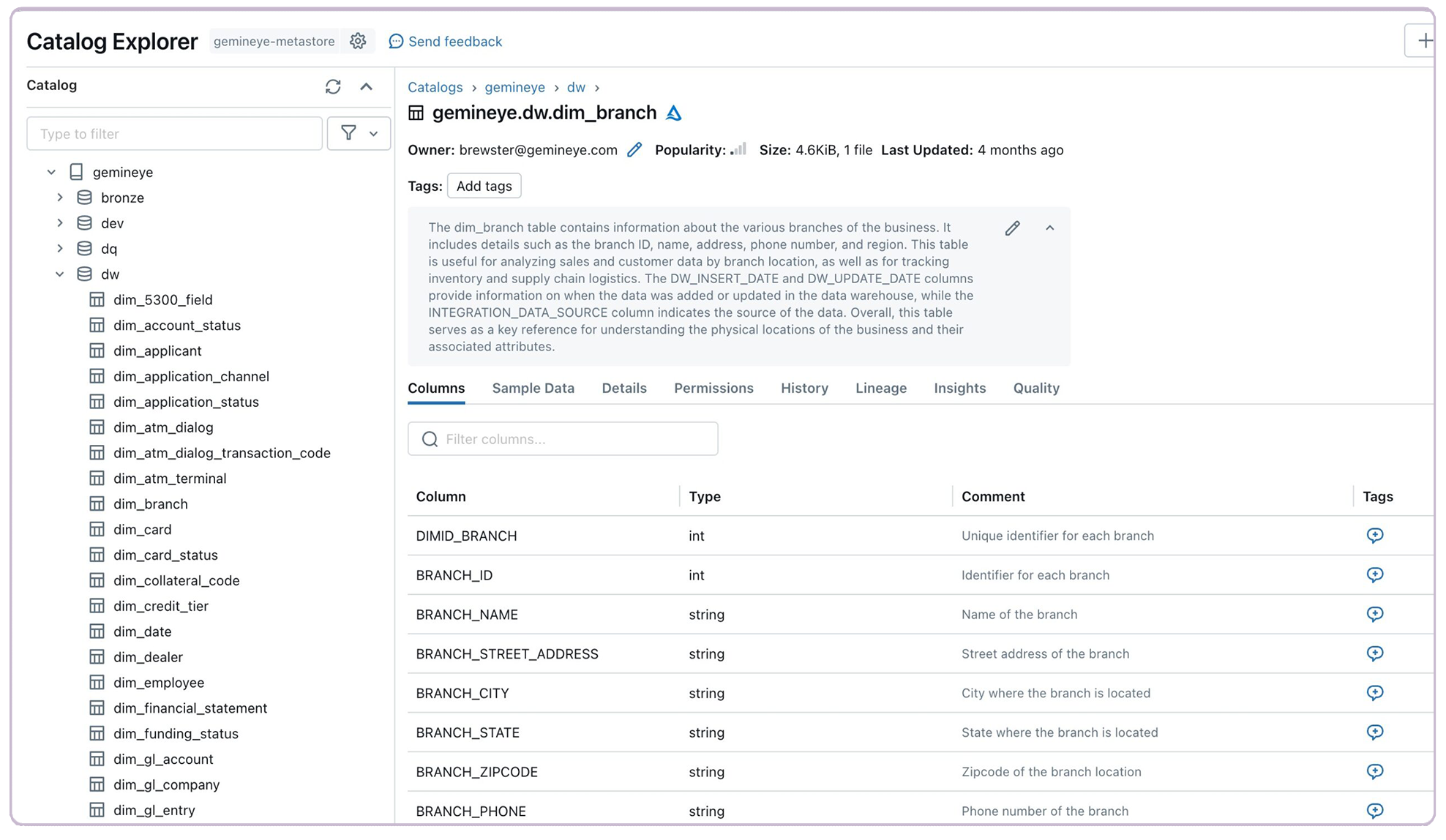
Transparent data dictionary
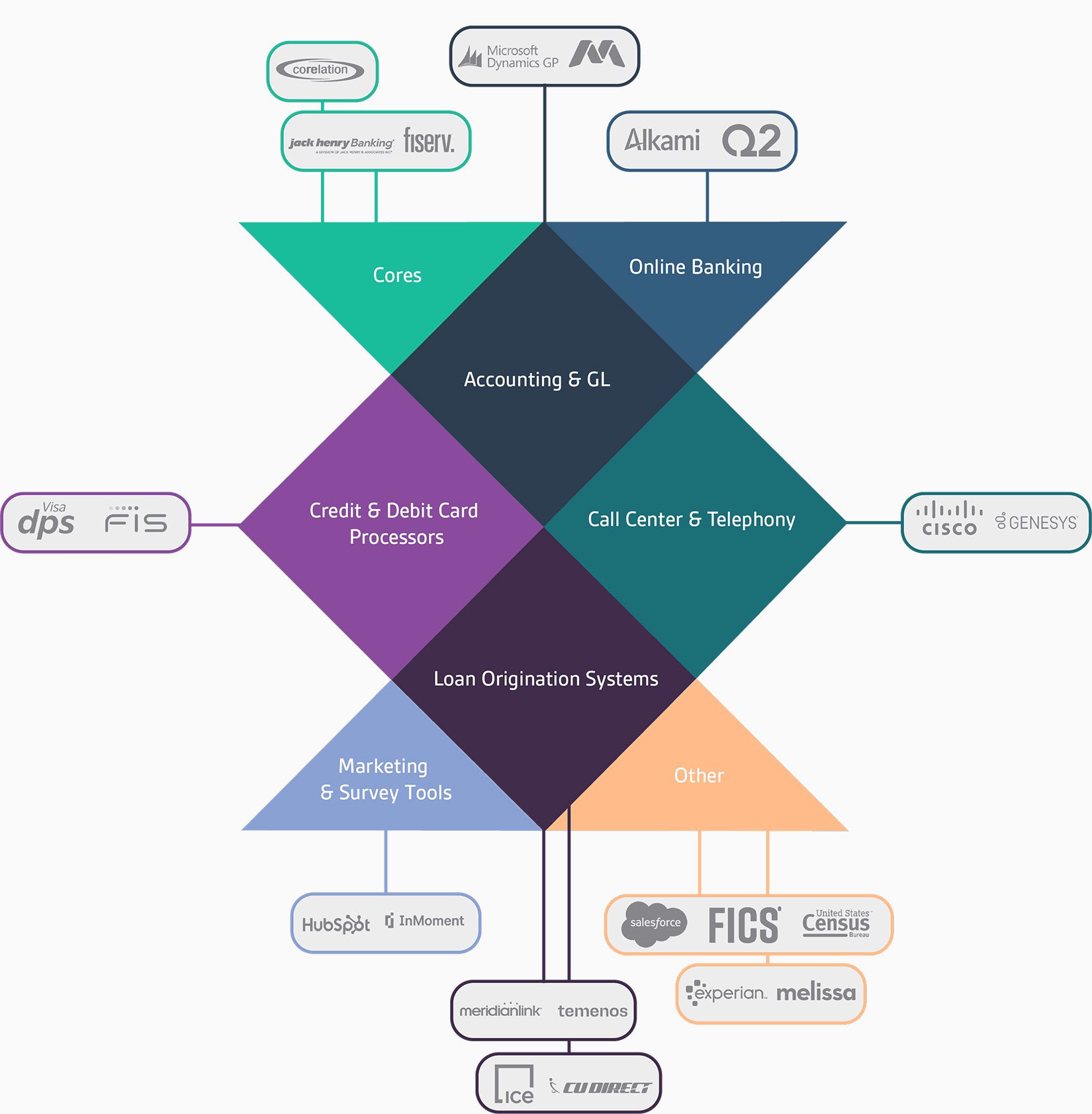
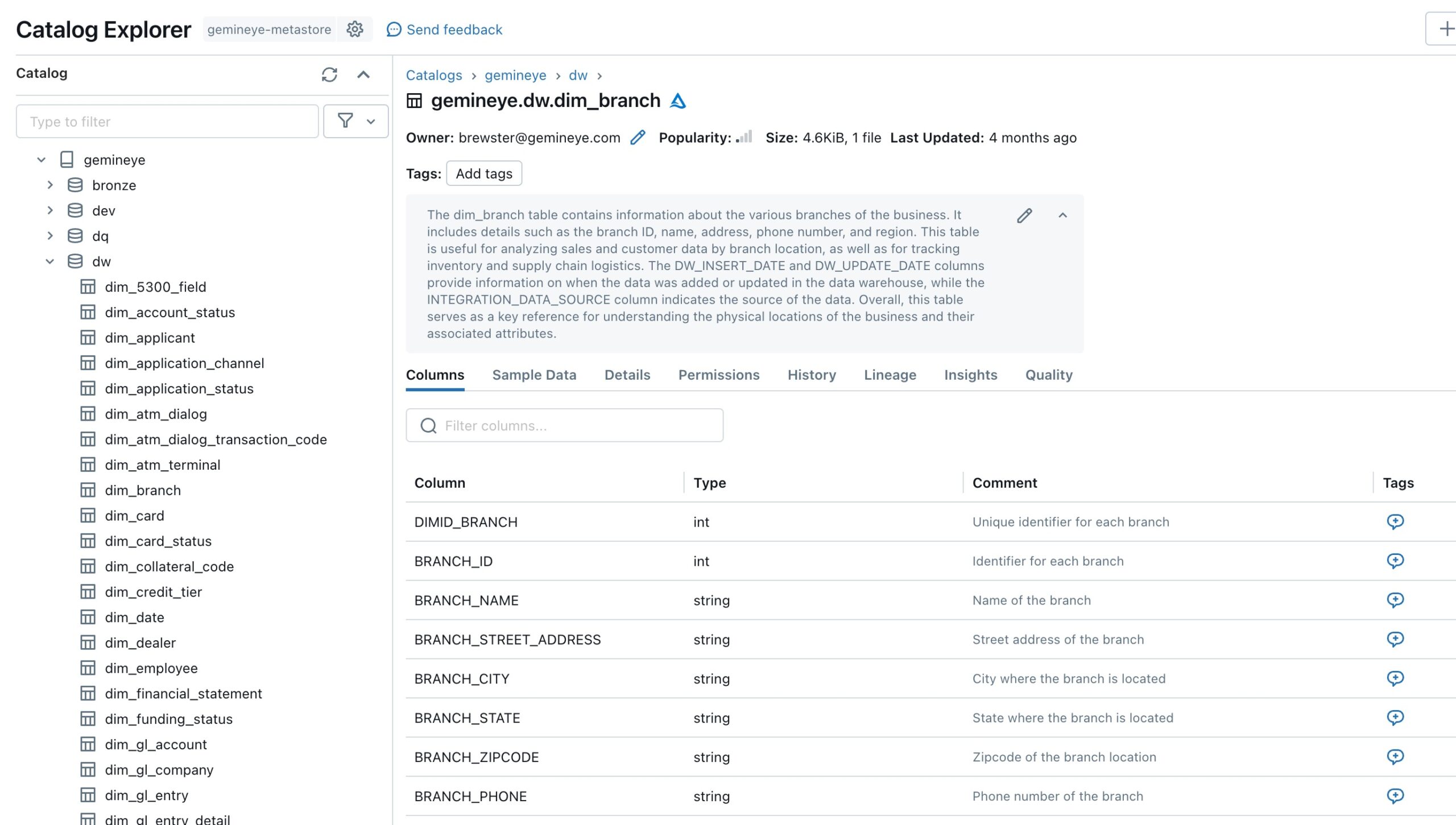
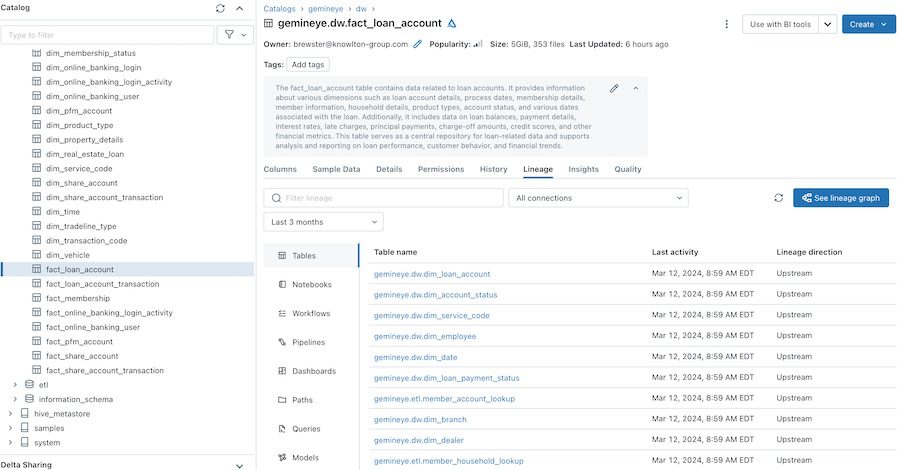
Data dictionary and mapping documents fully integrated into the solution and design to ensure your team knows exactly how all fields move from source to the data warehouse to the dashboards and reports.

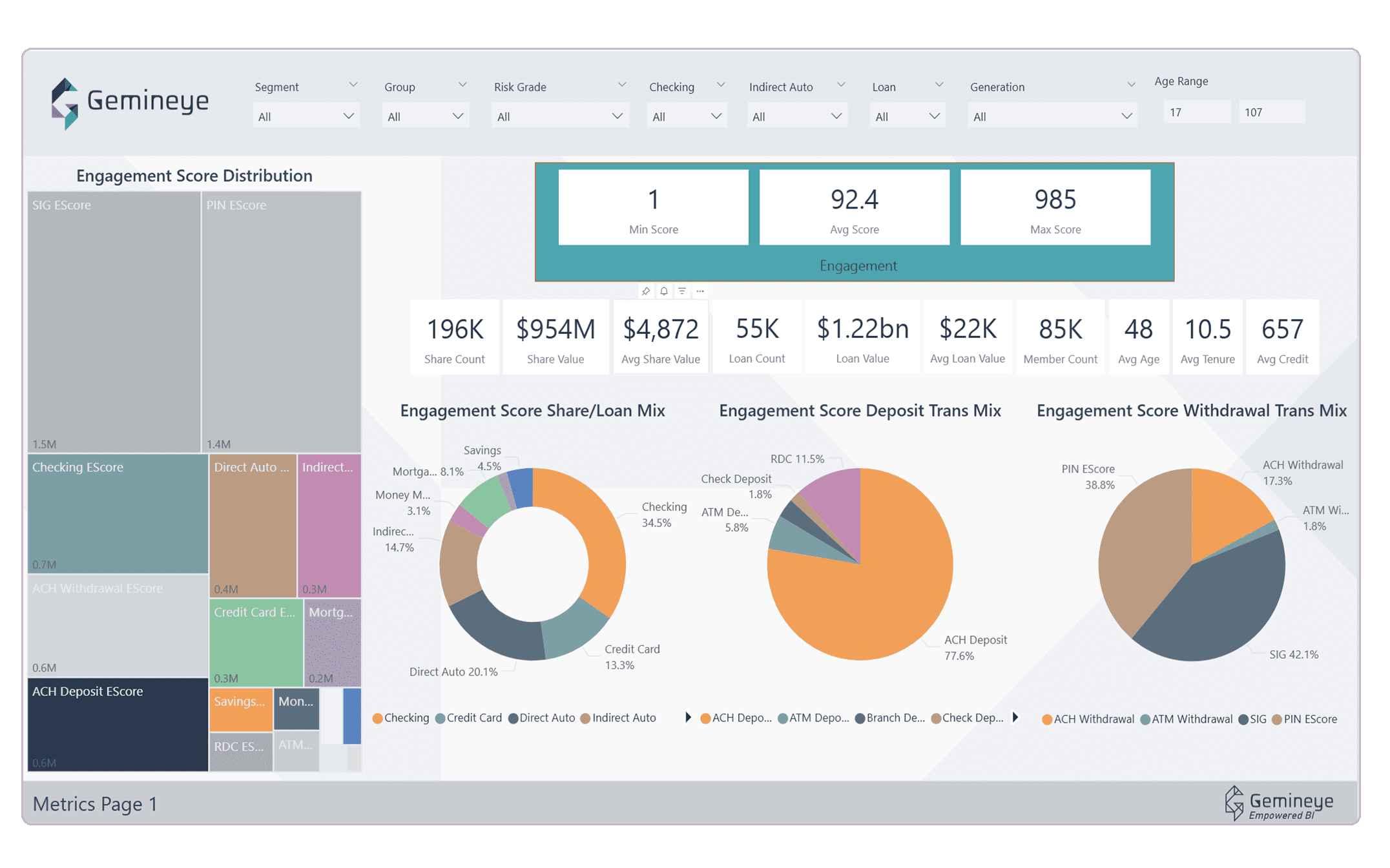
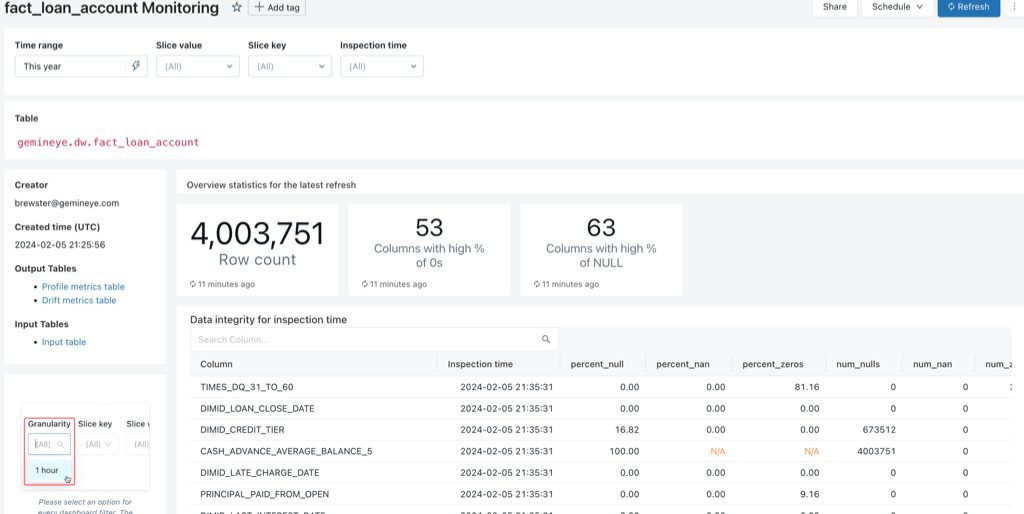




Why Data Analytics Matters Data analytics is essential for staying competitive in today’s competitive landscape. A recent study by Jack Henry found that 42% of credit unions prioritize leveraging data ...
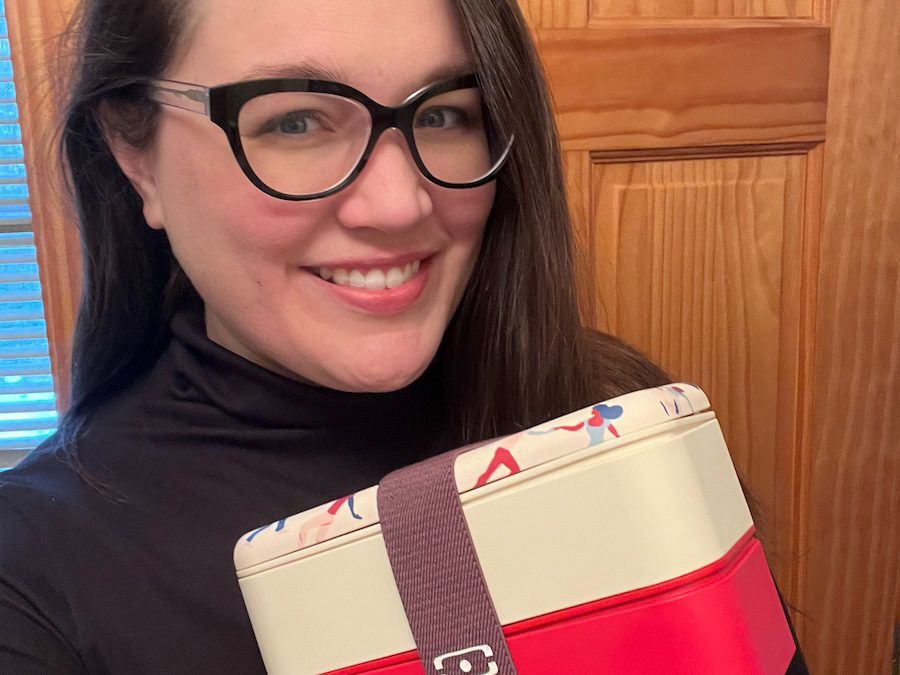
Welcome to our very first edition of “A Day in the Life of a Data Analyst,” featuring the equally talented and down-to-earth Ann Ditlow, Data Analyst at 4Front CU. Ann ...

Bill has a deep background in the credit union industry. Throughout his robust career in the industry, Bill has utilized technology and data with finance/accounting to help credit unions and banks ...






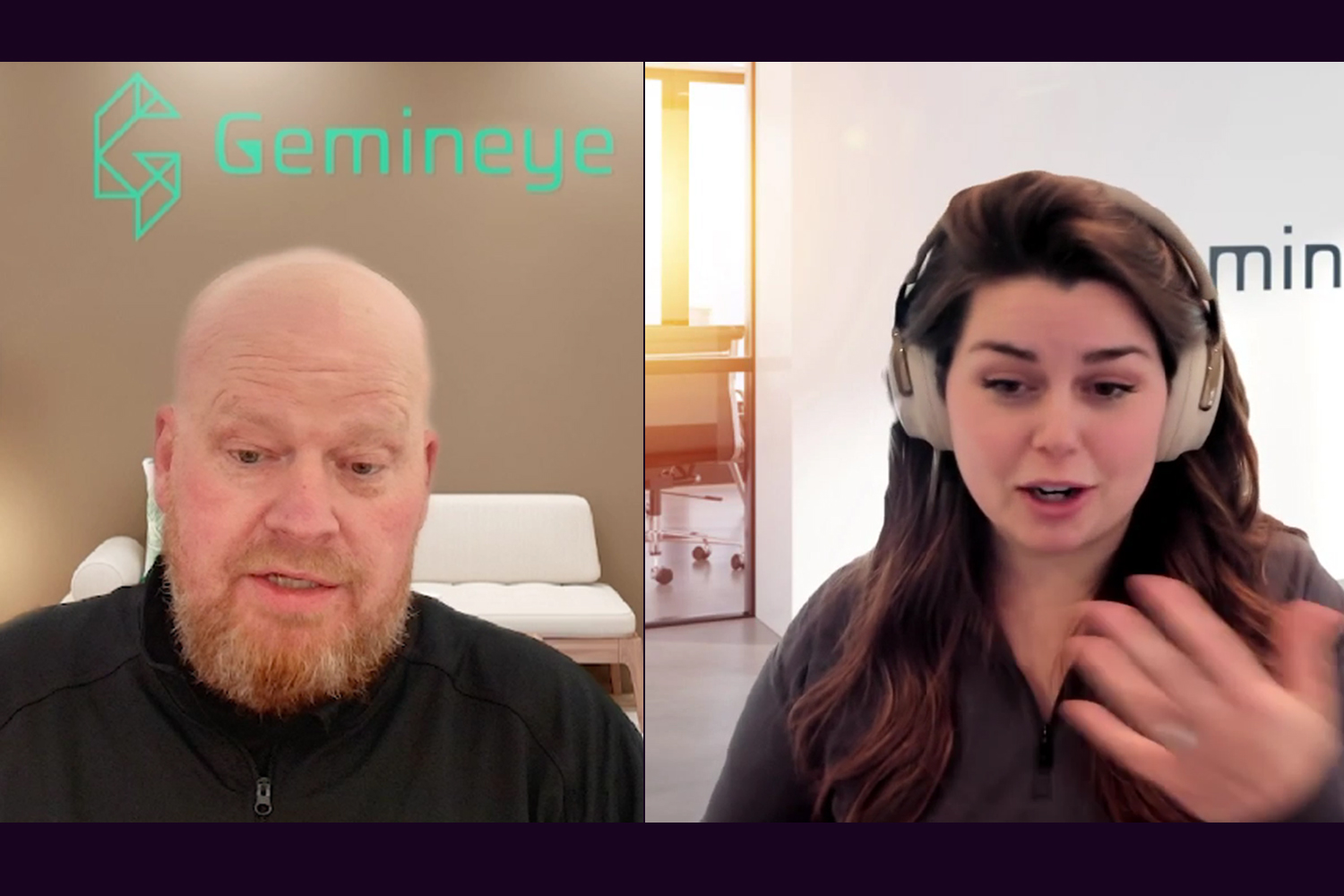
Sometimes, financial institutions mistake their data warehouses for nothing more than massive data dumps. But in reality, a data warehouse should be your business powerhouse, not an operational data store. The Gemineye Team Explains Why Data Warehouses are More than Data Dumps Gemineye crew Brewster Knowlton, CEO and Maggie Chopp, Director of Business Development, discuss why true data warehouses are about much more than storage. A proper data warehouse should model, normalize, and unify data from multiple sources to create a single source of truth that provides the foundation for ALL decision-making and AI initiatives. Key Takeaways in this Video Include: Data warehouses are about the quality of the data process, not just storage The true power of a data warehouse lies in its ability to model, clean, and define data consistently Organizations often mistake staging layers or data lakes for warehouses Effective data warehouses implement strict modeling, business logic, and normalization to enable scalable, insightful analysis The unsexy groundwork is the real differentiator in data maturity Full Transcript Alicia Disantis: Maggie, aren’t data warehouses just big data dumps? Maggie Chopp: No, they’re not, but I can understand why some people might think that way. I’m a data warehousing originally became a topic. People were treating it that way and just plopping everything in the spot and checking off the box and hoping that got them some level of result. We know now. It’s been a long time since those days. Your data doesn’t do anything for you when it’s just sitting there. So, theoretically, yeah, you could have one of these at your organization. But if data warehousing is done well and right, it’s got a lot of things that are happening from the ingestion to the modeling, the centralizing, the logic, data cleaning, if you have it going on, out to the actual analysis. So, no, a good data warehouse is actually producing an effect that the teams are then using to drive business outcomes. So, no, they’re not just big data dumps, but we understand why. That’s a really common misconception. Brewster Knowlton: The reality is, if you think your data warehouse is just a big data dump, congratulations. You don’t have a data warehouse. You have an operational data set like what you’ve just described. And a lot of cases is a staging layer or an ODS where you’re accumulating all this information. All of it is more or less raw, maybe with some minor date and D tagging and metadata, but it’s generally just a large swath of data. When you get into the warehouse, that’s when you actually get into dimensionalization and modeling. I might have four different subject areas for different sources, excuse me, that have records about a member. Well, that needs to be in one spot so that I don’t have to go to four separate places to get my definition of a member. If I’ve done that, I’ve just created a fancy version of the isolated and disparate systems that I already have today. So the data warehouse is where it comes up a lot more now in the context of AI is where that context, that awareness, that curation of not just data from a normalization perspective, but from an actual business definition standpoint has to be stored. Because if I have to go to seven different places and know all of these rules intuitively, there’s no scalability and there’s no leveraging the idea of what a data warehouse or lakehouse or whatever you want to call it, just this centralized, consolidated, mastered, normalize where definitions and logics are applied. That has to be there. Everyone wants to talk about all the stuff that they want to do with AI. That’s like trying to design your bathroom in your kitchen before you figured out how big of a house you want to have. Do I need a foundation? It’s like you can’t just go shopping for all the cool stuff until you’ve done the unsexy stuff, but that’s the important pieces that lay the groundwork, the foundation, literally and metaphorically for what you want to accomplish with AI in the future. And of course, all of your natural other business focused data outcomes. Maggie Chopp: And the last thing I to add, Alicia, because this is a really interesting question, is we talked to lots of credit unions that are going through a self-assessment process, and what we find is that they may say, hey, we have ten data sources in our data warehouse, but when you really look under the hood, they have two that are maybe, you know, being adjusted and modeled and used, and they have maybe eight other that are just being kind of dumped in. So we really try to look beyond the surface level of is the data there, and present, to is the data being used, is kind of a different question. Want More Content on Starting Your Analytics Journey? Download Our Whitepaper.
The Gemineye team is here to bust a myth that can seriously hamstring credit unions and community banks in the early stages of building out or updating their analytics strategy. Does your data warehouse have to be hosted where your core lives? The answer is a solid no. The Gemineye Team Explains Why Your Data Warehouse Need Not Live with Your Core Gemineye crew Matt Jefferson, COO and Maggie Chopp, Director of Business Development, discuss why your data warehouse doesn’t need to (and shouldn’t) live in the same place as your core. The evolving landscape of data warehouse hosting, cloud-based analytics, and best practices for modern bank and credit union data architecture prove that this concept in indeed a myth. For example, most cores are built on 15-year-old technology and it simply doesn’t make sense to base your technology decisions off was developed over a decade ago. So whether you’re modernizing legacy systems or building new data strategies, this conversation provides critical information to know before you make a decision on where your data warehouse should reside. Key Takeaways in this Video Include: The limitations of on-premise data warehouses in today’s environment Why most modern core systems are cloud-based and the importance of embracing this trend The misconception of co-locating your data warehouse with your core systems The benefits of selecting best-of-breed cloud solutions versus integrated on-premise setups How data warehousing differs fundamentally from core application hosting The impact of legacy technology on future business agility Full Transcript Alicia Disantis: Okay, so Matt, should your data warehouse be hosted wherever your core lives? So for example, on premise, co-hosting, etc. Matt Jefferson: Yeah, I think today most most cores are not cloud based and even the newest cores are at least 15 years old, right? So if if you’re really basing your technology decisions on on stuff that was developed 15 years ago plus right, that’s not going to be a good decision for your business going forward, right? Most of the modern analytics AI platforms are cloud based and all of those are getting new updates and things. So you really want to embrace kind of the best of breed technology. And unfortunately, you can’t install that technology where your core sits, right? In a physical data center, sitting somewhere in the middle of the country, right? They’re cloud-based. So I would say it doesn’t really matter. That thought process really has kind of gone by the wayside. You really pick the best of breed in general. And from an analytics perspective, AI perspective, that is cloud-based. Maggie Chopp: And Alicia, I’d add, I think we’ve heard it a few different ways. Think one of the things that sort of sounds advantageous is having both those things in the same place is like parking two cars in the same garage. But we’d argue that data warehousing is fundamentally pretty different from the goal of your core. And like Matt said, you want to pick best of breed anyways. And so we think that again, you should pick the best application for the best use and data warehousing is very unique in that way. Want More Content on Starting Your Analytics Journey? Download Our Whitepaper.
In this edition of “A Day in the Life of a Data Analyst,” we feature Alison Stanback, Business Intelligence Analyst at $8B Space Coast CU, the third largest credit union in Florida. Alison’s straightforward and optimistic approach to data analytics is equally inspiring and hilarious. She had Alicia Disantis, Head of Marketing at Gemineye, in tears. We sat down to talk with Alison about her grassroots journey into data analytics, her daily routines, and her outlook on communicating with business units. Alison’s Unique Perspective on Data Analytics Alicia Disantis: You started out as a teller at a credit union and have a unique “get it done” perspective on analytics. Tell us what inspired this. Alison Stanback: I started on the front line with members, helping them resolve issues, so that’s how my brain is wired. If there’s a problem, my instinct is always, “Okay, how do we fix it and move forward?” When you come straight from a technology background, it’s easy to focus primarily on the tools themselves. Coming from operations, I tend to start with the problem first and then ask what tools or data we can use to support a better outcome. I’m always thinking there’s more we can leverage if we look at the problem from a different angle. Alicia: Your tolerance is set pretty high. Alison: My tolerance is pretty high. I spent years working in high‑volume branch environments with very real, very human situations happening around me every day. That experience teaches you quickly how to stay calm, de‑escalate, and keep things moving without overreacting. So yes, we have NCUA requirements. Yes, there are a lot of data points and controls we have to account for. But I don’t automatically see that as a crisis. I don’t see chaos, I see opportunity. I think that mindset comes from starting in the branch, not in technology. When you’re used to solving problems face‑to‑face, you learn to focus less on panic and more on progress. Alicia: What got you interested in data analytics, and what do you find most rewarding? Alison: When you’re working with members every day, you naturally start thinking beyond the individual interaction and ask, “How many other members are impacted by this?” I was able to take my branch experience and turn those observations into something actionable. Transforming real member issues into reports and insights that could be shared with the right teams to support better decisions. That’s really how I got hooked on data. Data tells the story of what’s happening. It provides clarity, highlights patterns, and helps connect the dots so leaders can see the full picture and make informed decisions. Being able to show how members are being impacted is what I find most rewarding. I jumped at the opportunity to move from the branches into IT and analytics, and I’ve been there ever since. One thing I truly value about Space Coast CU is their commitment to promoting from within and giving employees opportunities to grow. I’ve been an analyst for nine years, and most of my learning has been hands‑on. I learned alongside an experienced analyst, made plenty of mistakes early on, and gradually picked up best practices. Everything from writing cleaner code to designing dashboards that actually support decision‑making. Leadership was incredibly supportive, and I was never left to figure things out entirely on my own. I don’t have a traditional degree, but I became deeply committed to learning. I spent time watching YouTube content like Guys in the Cube, enrolling in Udemy courses, and continuously building my skills. Space Coast even reimbursed many of those courses, which made a huge difference. Once I started learning, I couldn’t stop! That curiosity is what still drives me today. Alicia: When you became a teller, did you have any idea you were going to spend 20 years in credit unions? Alison: I’ve only had three jobs in my entire life. If I find a place I enjoy, I tend to stay. Space Coast has really become a long‑term home for me. When you spend 40 hours a week working with people, they quickly stop being strangers. You build trust, relationships, and a sense of shared purpose and that’s is what has kept me here. Alicia: You had strong support from your organization and I’ve actually found that to be a common trend in folks I’ve interviewed, that they learn in house rather than obtain formal degrees. I’m curious to know if there were any challenges you faced in your career. Alison: One of the biggest challenges I encountered after moving into data was realizing that not everyone speaks the same “data language.” You can walk someone through an entire presentation, get agreement along the way and then hear, “This is great. Can I have it in Excel?” That experience taught me how important it is to focus on how I communicate insights, not just the insights themselves. My background in customer service helped a lot. When people are dealing with sensitive topics like their finances, they may feel overwhelmed, and if they don’t truly understand what’s being presented, they’re unlikely to act on it. I’ve learned to approach data the same way I approach money conversations: keep it clear, relevant, and accessible. If someone doesn’t understand what they’re seeing, they won’t use the dashboard or take action based on it. Dashboards aren’t just about how they look. They are decision tools. If done well, they replace static spreadsheets by helping people understand why something is happening, not just what happened. A Typical Day for a Business Intelligence Analyst Alicia: Tell me a little bit about your day. What’s the structure of your department and your day-to-day inner workings? Alison: First thing in the morning, I review any incoming tickets to make sure they’re clear and well‑defined. I take time to flesh out the request so what’s documented reflects what the business is actually asking for. Once that’s done, tickets are assigned to the data team and we talk ...