
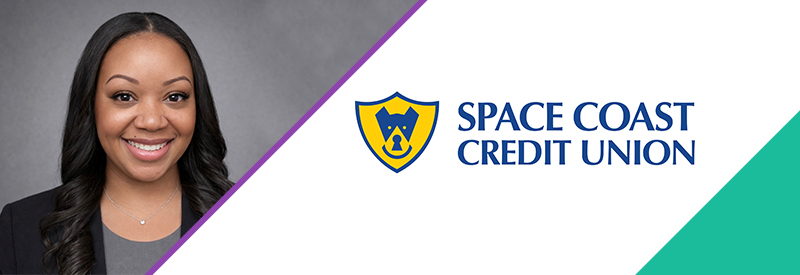
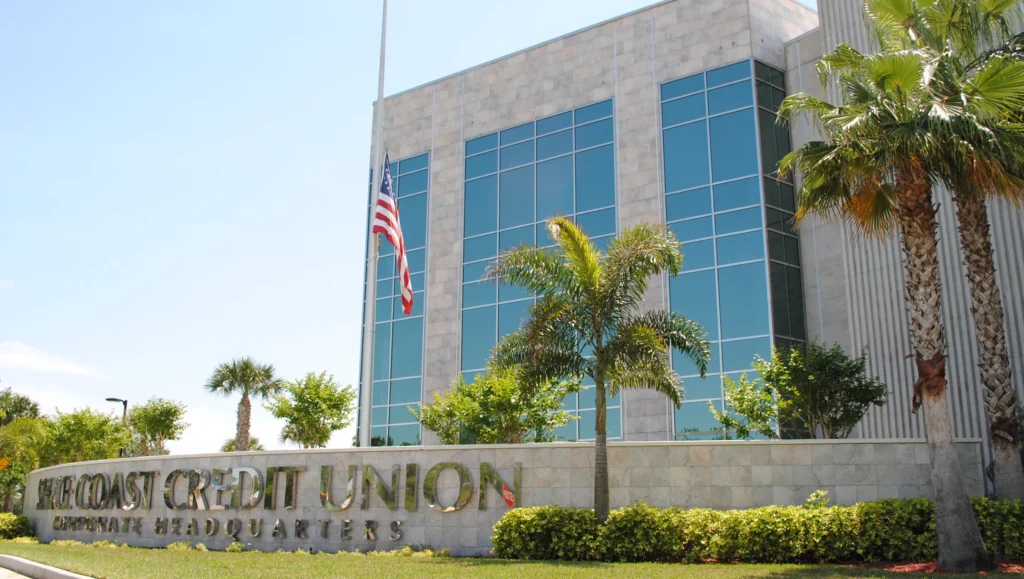
In this edition of “A Day in the Life of a Data Analyst,” we feature Alison Stanback, Business Intelligence Analyst at $8B Space Coast CU, the third largest credit union in Florida. Alison’s straightforward and optimistic approach to data analytics is equally inspiring and hilarious. She had Alicia Disantis, Head of Marketing at Gemineye, in tears.
We sat down to talk with Alison about her grassroots journey into data analytics, her daily routines, and her outlook on communicating with business units.
Alison’s Unique Perspective on Data Analytics
Alicia Disantis: You started out as a teller at a credit union and have a unique “get it done” perspective on analytics. Tell us what inspired this.
Alison Stanback: I started on the front line with members, helping them resolve issues, so that’s how my brain is wired. If there’s a problem, my instinct is always, “Okay, how do we fix it and move forward?”
When you come straight from a technology background, it’s easy to focus primarily on the tools themselves. Coming from operations, I tend to start with the problem first and then ask what tools or data we can use to support a better outcome. I’m always thinking there’s more we can leverage if we look at the problem from a different angle.
Alicia: Your tolerance is set pretty high.
Alison: My tolerance is pretty high. I spent years working in high‑volume branch environments with very real, very human situations happening around me every day. That experience teaches you quickly how to stay calm, de‑escalate, and keep things moving without overreacting.
So yes, we have NCUA requirements. Yes, there are a lot of data points and controls we have to account for. But I don’t automatically see that as a crisis. I don’t see chaos, I see opportunity.
I think that mindset comes from starting in the branch, not in technology. When you’re used to solving problems face‑to‑face, you learn to focus less on panic and more on progress.
Alicia: What got you interested in data analytics, and what do you find most rewarding?
Alison: When you’re working with members every day, you naturally start thinking beyond the individual interaction and ask, “How many other members are impacted by this?”
I was able to take my branch experience and turn those observations into something actionable. Transforming real member issues into reports and insights that could be shared with the right teams to support better decisions. That’s really how I got hooked on data.
Data tells the story of what’s happening. It provides clarity, highlights patterns, and helps connect the dots so leaders can see the full picture and make informed decisions. Being able to show how members are being impacted is what I find most rewarding.
I jumped at the opportunity to move from the branches into IT and analytics, and I’ve been there ever since. One thing I truly value about Space Coast CU is their commitment to promoting from within and giving employees opportunities to grow.
I’ve been an analyst for nine years, and most of my learning has been hands‑on. I learned alongside an experienced analyst, made plenty of mistakes early on, and gradually picked up best practices. Everything from writing cleaner code to designing dashboards that actually support decision‑making. Leadership was incredibly supportive, and I was never left to figure things out entirely on my own.
I don’t have a traditional degree, but I became deeply committed to learning. I spent time watching YouTube content like Guys in the Cube, enrolling in Udemy courses, and continuously building my skills. Space Coast even reimbursed many of those courses, which made a huge difference. Once I started learning, I couldn’t stop! That curiosity is what still drives me today.
Alicia: When you became a teller, did you have any idea you were going to spend 20 years in credit unions?
Alison: I’ve only had three jobs in my entire life. If I find a place I enjoy, I tend to stay. Space Coast has really become a long‑term home for me. When you spend 40 hours a week working with people, they quickly stop being strangers. You build trust, relationships, and a sense of shared purpose and that’s is what has kept me here.
Alicia: You had strong support from your organization and I’ve actually found that to be a common trend in folks I’ve interviewed, that they learn in house rather than obtain formal degrees. I’m curious to know if there were any challenges you faced in your career.
Alison: One of the biggest challenges I encountered after moving into data was realizing that not everyone speaks the same “data language.” You can walk someone through an entire presentation, get agreement along the way and then hear, “This is great. Can I have it in Excel?”
That experience taught me how important it is to focus on how I communicate insights, not just the insights themselves. My background in customer service helped a lot. When people are dealing with sensitive topics like their finances, they may feel overwhelmed, and if they don’t truly understand what’s being presented, they’re unlikely to act on it.
I’ve learned to approach data the same way I approach money conversations: keep it clear, relevant, and accessible. If someone doesn’t understand what they’re seeing, they won’t use the dashboard or take action based on it.
Dashboards aren’t just about how they look. They are decision tools. If done well, they replace static spreadsheets by helping people understand why something is happening, not just what happened.
A Typical Day for a Business Intelligence Analyst
Alicia: Tell me a little bit about your day. What’s the structure of your department and your day-to-day inner workings?
Alison: First thing in the morning, I review any incoming tickets to make sure they’re clear and well‑defined. I take time to flesh out the request so what’s documented reflects what the business is actually asking for. Once that’s done, tickets are assigned to the data team and we talk through them together.
Because I’ve been with the credit union for quite some time, there are also moments where people will say, “Just reach out to Alison. She will explain it in a way that makes sense.” So a big part of my day is prioritizing, reviewing tickets, and working directly with business units to make sure everyone is aligned.
Beyond that, I spend time partnering with business units to gather and refine Lakehouse reporting requirements, working with vendors like Gemineye to bring data into our Lakehouse, and collaborating with our VP to strengthen internal processes and map out future semantic models.
No two days are ever the same, which I really enjoy. I usually start with an agenda of what I hope to accomplish, and if everything doesn’t get done, it simply rolls over to the next day’s checklist.
Alicia: Do you have any time for strategic thinking or experimenting besides just like the day-to-day operational tasks?
Alison: I make a point to carve out time for strategic thinking, usually first thing in the morning. I will start the day by setting a goal to focus on something forward‑looking. For example, right now we are moving to Microsoft Fabric and Power BI Service, so I spend time learning more about that before the day gets busy. If I start the day feeling like I’ve learned something meaningful, it really sets a positive tone for everything that follows.
I also try to protect the end of my day. If I can avoid meetings after 4:00 PM, I use that time to explore new concepts or technologies. Ending the day having learned something new helps me stay energized and engaged.
Because my career path has been built largely through hands‑on experience rather than formal degrees, continuous learning is essential for me. Technology moves quickly, and staying current allows me to bring fresh ideas into my work and continue growing as a data professional.
How the Space Coast CU Team Prioritizes Requests
Alicia: I love the concept of not becoming stale, right. We all can appreciate the concept of continual learning whether you have a degree or not. Can you tell us about your prioritization process?
Alison: When requests come in, the first thing we evaluate is impact. Anything that’s audit‑related, tied to compliance, or has the potential for significant financial risk is treated as an immediate priority. Member‑impacting issues also rise to the top, such as external events or other situations that could affect member access or service.
We also look at the purpose and scope of the request. Some requests are exploratory or highly localized, while others support broader strategic decisions, such as branch planning or enterprise‑wide initiatives. Understanding how the information will be used helps determine where it fits in the queue.
There are also requests that land in what I call a “wish list.” These come from good curiosity, but the end goal isn’t fully formed yet. In those cases, we often pause until there’s a clearer vision. Meaningful data work requires knowing what question you’re trying to answer.
Ultimately, prioritization is about balancing urgency, impact, and clarity so the work we do delivers real value.
Alicia: How many folks are on your on the team and what’s the structure like?
Alison: We currently have six people on the team, including two data engineers and four analysts, and we are continuing to grow with the addition of another data engineer who recently joined the team.
Our team supports a wide range of needs across the organization, including vendor reporting, application analytics, executive insights, and marketing. That variety keeps the work interesting and allows us to support both operational and strategic initiatives.
I report to the VP of Business Intelligence, and our team sits within the IT organization, which gives us strong alignment with infrastructure, governance, and enterprise data strategy.
Alicia: You know, every organization treats their data team differently. We see data teams reporting to a wide variety of departments.
Alison: That was true for us as well. Early on, when I first moved into business intelligence, I wanted to work closely with the IT team. At the time, there were no other SQL analysts available to collaborate with or review my work and having that support was important to me.
Being near IT meant I had access to peers who could help review code, troubleshoot technical issues, and coordinate database updates. It created an environment where collaboration and learning were built into the process rather than treated as an afterthought. That proximity made the work stronger and reduced risk as the team and platform matured.
Alison’s Advice for Getting Started in a Career in Data
Alicia: What’s some advice you would give someone who is looking to go into data?
Alison: Don’t assume you can’t do it. There is always someone out there, someone like me, who is willing to talk, share their experience, and help. Networking is incredibly important, and persistence truly matters.
If you are interested in data, ask your leadership team if you can shadow someone. That was truly life‑changing for me. I went in thinking it might be as difficult as people made it sound, but once I sat there and watched the work happen, I realized, “Wait, I could actually do this.”
If you have a vision for where you want to go, share it with someone who’s supportive and see if they can help you take that next step.
Alicia: You know, so many people are burnt out or overwhelmed and you’ve got such a positive outlook.
What’s one of the bigger projects you are working on right now?
Alison: One of our biggest initiatives right now is building out our Lakehouse to establish a true single source of truth. As part of that effort, we are taking inventory of the reports that exist across the organization, including some that were created before I joined the BI team.
We are evaluating how those reports are actually being used, validating that the KPIs are still accurate, and determining whether they continue to serve a meaningful purpose. At the same time, we are prioritizing process documentation and partnering with business units to clearly define foundational concepts, such as what qualifies as an active member or an active account, so everyone is aligned.
That combination of technical modernization and business definition is critical to making the data both reliable and actionable.